The Rise of AI in Competitive Gaming: How Australian Esports Teams are Using Tech to Win in 2025

Artificial intelligence is changing competitive gaming in ways nobody could have predicted just a few years ago. In 2025 Australian esports teams are leading the charge by integrating advanced AI tools into their daily routines and match strategies. The push to use technology has become much more than just a trend. It is now a core part of how top teams prepare and compete.

Esports success in Australia is not only about fast reflexes or sharp aim. Teams now look to data and machine learning for a real edge. Coaches and analysts use AI to break down plays study patterns and optimize practice sessions. This shift means players improve faster and teams adapt quicker to their rivals.

AI is not just for the pros. It is reaching every level of competitive gaming. Young players amateurs and schools are finding ways to use AI-driven platforms for coaching and skill development. Australia’s esports scene is thriving because it welcomes this new wave of innovation.

Why AI Matters in Esports Today

AI has become one of the most important tools in the modern world of esports. In 2025 it is impossible to ignore how much technology shapes the way teams compete train and even scout new talent. The role of AI in gaming is no longer limited to basic analytics or simple bots. It now stretches into almost every part of a professional team’s day.

Australian esports organizations like Chiefs Esports Club have started to view AI as more than just an add-on. For them it is a necessity. AI systems help teams review massive amounts of match data in minutes rather than hours. This means that coaches and players do not have to rely on guesswork or gut feelings when they prepare for tournaments. Instead they get real facts and patterns delivered straight to their screens.

Queensland Esports Cup 2025

AI-powered analytics make it possible to break down complex in-game situations into simple feedback. Teams like Vertex Esports Club use this information to learn where they can improve and what mistakes to avoid. For example AI can reveal if a team consistently struggles with late-game decision-making or if an individual player has a weakness in certain roles. This insight helps teams fine-tune their practice plans and focus on the areas that truly matter.

Beyond just analysis AI is also used for scouting and recruitment. Machine learning tools can watch thousands of games to spot rising talent that might be overlooked by human scouts. This is changing how new players enter the scene because it removes a lot of the old bias and opens doors for a more diverse group of competitors. Chiefs Esports Club for example have used data-driven approaches to discover promising players who might not have been noticed through traditional scouting.

There is also a huge impact on the fan experience. Many Australian esports events now use AI to power live statistics fantasy esports and smart content recommendations. Fans can follow their favorite teams such as Mindfreak and Team Bliss in more detail and get a better understanding of the game as it unfolds. This adds excitement and keeps the audience more engaged.

AI matters in esports today because it creates a smarter faster and fairer environment for everyone. Whether you are a top-tier pro or a new fan just starting to follow the scene you feel the effects of AI every time you tune in or play a match.

How Top Australian Teams Use AI for a Competitive Edge

Australian esports teams are not just using AI as a background tool. They put it at the center of their competitive approach. The best organizations in the country have invested in dedicated analysts and coaches who understand both the technical side of gaming and the power of machine learning. This blend of human experience and smart technology gives them a clear advantage in top-level play.

One of the main ways Australian teams use AI is through detailed match analysis. Every official scrim and practice session is recorded and run through AI platforms that can spot trends which might go unnoticed by even the sharpest human coach. For example if a team is losing rounds in the same way or making repeated mistakes in map control the AI will highlight these patterns immediately. This saves valuable time and allows teams to make focused adjustments between games.

Pro esports team in Australia

Strategy development is another area where AI makes a difference. Some teams use machine learning to simulate upcoming matches. These systems can predict how an opponent might play by analyzing their previous games. This allows the Australian team to prepare specific strategies and counter-moves before stepping onto the virtual stage. The AI can even suggest new tactics that have not been tried before increasing the chance of catching rivals off guard.

AI is also used for tracking individual player performance. Detailed reports are created after every session showing strengths weaknesses and trends in decision-making. If a player has trouble with certain champions or maps the data is clear and actionable. Players can then focus their solo practice on those exact points. This targeted improvement leads to quicker progress and better results in official matches.

Communication and teamwork also benefit from AI. Some platforms use voice analysis and chat data to measure team synergy. If there are issues with communication or if certain words and phrases trigger confusion the AI picks up on this and gives coaches something to address in training. Over time this leads to smoother in-game calls and better teamwork during high-pressure moments.

In short top Australian teams treat AI as a trusted assistant. They use its insights for planning training and execution. By embracing technology these organizations keep themselves a step ahead of the competition both at home and on the global stage.

AI-Driven Training Tools: A Look Behind the Scenes

Behind every successful Australian esports team there is a set of advanced training tools powered by artificial intelligence. These tools are changing the way players and coaches approach practice. Instead of relying only on intuition or traditional methods teams now have access to highly detailed data and personalized feedback.

One of the most popular AI tools is the smart replay analyzer. Platforms like Mobalytics for League of Legends and VALORANT Insights.gg for team-based games such as CS2 and VALORANT and Leetify for CS2 automatically record every match and break down gameplay into moments that matter. These tools highlight key plays missed opportunities and even tiny mechanical errors that might be overlooked during a live session. By reviewing these clips players get instant feedback and can correct mistakes much faster than before.

Another major advancement is the use of AI bots for practice scrims. These bots are not like the predictable opponents of the past. They are programmed to mimic real-world strategies based on data from professional games. Teams can adjust the bot’s playstyle to match their next opponent giving them realistic practice without scheduling conflicts. This type of preparation helps teams anticipate moves and react with confidence when the real match begins.

AI-driven voice analysis has also found a place in training rooms. This technology listens to in-game communication and identifies moments when clarity drops or when stress levels rise. Coaches use this information to improve team communication and keep players focused even under pressure. Over time these small changes lead to smoother teamwork and better overall performance.

For individual improvement some Australian players use AI-powered aim trainers and decision-making simulators. These platforms track accuracy reaction times and tactical choices during drills. They then recommend targeted exercises to help players shore up weaknesses. The tools even adapt to a player’s progress by increasing difficulty as skills improve ensuring that training never becomes repetitive or stale.

All of these AI-driven tools work together to create a smart training environment. Australian teams are able to use less time for routine drills and more time on real improvement. As a result the gap between amateur and professional practice is shrinking and the standard for top-level play keeps rising.

From Data to Decisions: Real Match Impact

The true value of artificial intelligence in Australian esports becomes clear when it is time to make decisions during live matches. Data gathered by AI systems does not just sit in reports or dashboards. It is transformed into real strategies that teams use when the pressure is highest.

Before a match coaches and analysts review AI-generated insights to finalize game plans. They look at opponent tendencies previous mistakes and new tactics uncovered by machine learning. This information is turned into simple instructions that every player can understand. The goal is to make sure that the entire team knows what to expect and how to react in key situations.

University of New South Wales, Sydney winning

During matches some teams even use live AI feedback within the rules. For example if a certain map strategy is failing AI can point out weak spots based on real-time performance. Coaches can then suggest small adjustments between rounds or games. This allows Australian teams to stay flexible and adapt to challenges faster than ever before.

For instance Chiefs Esports Club in a recent VCT regional qualifier used live data analysis from their Insights.gg platform to adjust their defense strategy after noticing repeated failures on a particular map site. The AI flagged a pattern in their rotations and pointed out that the opposing team always exploited the same opening. Based on this real-time feedback the coach switched player positions mid-match and the team quickly closed the gap winning several rounds in a row. This kind of rapid tactical shift would have been much harder without AI-driven insights.

The impact of these data-driven decisions is easy to see in results. Teams who rely on AI insights often recover quickly from early mistakes and are able to counter opponents who try to use surprise tactics. Players feel more confident because they have a clear plan and understand why certain moves are being made.

AI also helps after the match ends. Post-game reviews are guided by detailed reports that break down not just what happened but why it happened. Teams use these breakdowns to reinforce good habits and avoid repeating costly errors in the future. The feedback loop is continuous. Every match provides new data and every data point leads to smarter decisions.

This cycle of data to decisions is reshaping what it means to be competitive in Australian esports. Teams that embrace AI are not just reacting to what happens in a game. They are actively shaping their destiny with every click and call they make.

AI for Amateurs: How Tech is Leveling the Field in Australia

Artificial intelligence is not just for professional esports teams in Australia. More and more amateurs and up-and-coming players are turning to AI-driven tools to sharpen their skills and compete at a higher level. This new wave of technology is making advanced training and analysis available to everyone not just those with big budgets or sponsorships.

One of the biggest changes is the rise of free or low-cost coaching platforms powered by AI. These tools watch how amateurs play and then give instant feedback on everything from aim and positioning to in-game decisions. Some platforms even generate personalized practice routines based on a player’s strengths and weaknesses. This level of custom advice used to be reserved for pro teams but now anyone can access it from home.

Australian Gaming Team

Australian schools and local leagues are starting to use AI to support their players as well. Students in esports clubs can review games with smart replay systems and join competitions that use AI to track progress and reward improvement. This approach creates a more supportive environment for new players and helps them learn faster than ever before.

Amateur tournaments are also benefiting from AI. Organizers use smart matchmaking systems to create fair brackets and avoid one-sided matchups. This keeps events exciting and gives every team a better shot at success. Fans and families can follow the action with AI-powered statistics and highlights making grassroots esports more engaging and accessible.

The spread of AI in amateur gaming is helping to close the gap between casual and competitive players. Talent scouts and pro teams now have access to a wider pool of skilled competitors thanks to transparent data and fair opportunities. Australia’s esports scene is growing stronger because more players are able to develop their abilities and chase their dreams on a level playing field.

The Future: What’s Next for AI and Esports Down Under?

The role of artificial intelligence in Australian esports is only going to grow from here. New breakthroughs in machine learning and real-time data processing promise to change the game even more over the next few years. Teams and players are already looking ahead to the next set of innovations that could help them rise to the top.

One big trend is the development of AI systems that can adapt in real time during live matches. These platforms could give coaches and analysts even more powerful tools for making split-second decisions. Players might get instant feedback on their performance as they compete helping them fix mistakes before the match slips away. The future could bring smarter AI-driven bots for practice new ways to track mental focus and advanced tools to predict what an opponent might try next.

Esports organizations in Australia are also likely to partner more closely with tech startups and universities. Together they can design custom solutions that fit their unique needs. This could mean new training programs that use virtual reality and AI to create realistic practice environments or even AI-powered scouting systems that find hidden talent in every corner of the country.

Another area to watch is how AI changes the way fans experience the game. Better live stats and automated highlights could make watching esports more interactive and engaging. Smart content recommendations and virtual fan zones might bring new energy to live events both in person and online.

AI could also help address some of the challenges facing esports such as player health and fair play. With better monitoring and analysis teams can spot early signs of burnout and help players take care of themselves. Automated anti-cheat systems may use AI to keep games fair and protect the integrity of competition at all levels.

Australia has always embraced new technology with an open mind. As AI continues to advance the country’s esports scene is well positioned to stay at the front of the global pack. The journey is just beginning and the next wave of innovation could be even more exciting than what we have seen so far.…

Diamond Color: Grade Chart and Buying Tips for Beginners

Diamonds, with their timeless allure and inherent beauty, are graded based on a multitude of factors, and color is a critical element that significantly influences their value. The Gemological Institute of America (GIA) has devised a comprehensive Diamond Color Scale to assess and categorize diamonds based on their color. In this article, we will delve into the intricacies of understanding GIA’s Diamond Color Scale, explore the distinctions between colored and white diamonds, consider crucial factors when shopping for diamonds, and provide essential buying tips for beginners venturing into the world of these precious gemstones.


Understanding the GIA’s Diamond Color Scale

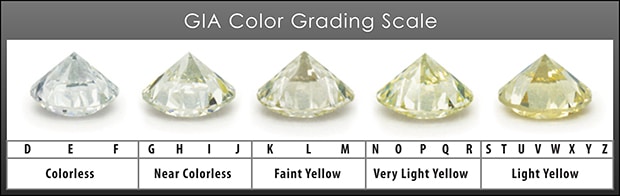
The GIA Diamond Color Scale ranges from D (colorless) to Z (light yellow or brown). The scale meticulously evaluates the absence or presence of color in a diamond, with D being the highest grade and Z indicating increasing levels of noticeable color. Diamonds graded D through F are considered colorless, while those in the G to J range are classified as near-colorless. As the scale progresses, diamonds exhibit varying degrees of color intensity. You can also check the color grade at yourdiamondteacher.com – Grading Diamond Colour.

Understanding the GIA's Diamond Color Scale

The GIA’s Diamond Color Scale: Color vs White Diamonds

Colorless Diamonds (D-F):

  • Characteristics: Diamonds in the D-F range are considered colorless, displaying no perceptible color to the naked eye.
  • Visual Impact: Colorless diamonds appear pure and white, maximizing the play of light and brilliance. Their lack of color enhances their visual appeal and makes them highly sought after.
  • Ideal Uses: D-F color diamonds are ideal for individuals who prioritize a bright, icy appearance. They are popular choices for engagement rings and other pieces where colorlessness is highly valued.


Near-Colorless Diamonds (G-J):

  • Characteristics: Diamonds in the G-J range are classified as near-colorless, exhibiting subtle color that is challenging to detect without close examination.
  • Visual Impact: Near-colorless diamonds strike a balance between value and quality. While they may display slight warmth when viewed under certain lighting conditions, this is often imperceptible in everyday settings.
  • Ideal Uses: G-J color diamonds are suitable for those seeking a balance between quality and affordability. They are versatile and can be set in various metal types, complementing a range of jewelry styles.


Faint to Light Yellow Diamonds (K-M):

  • Characteristics: Diamonds in the K-M range may exhibit faint to light yellow tones, with the color becoming more noticeable.
  • Visual Impact: While the faint color is discernible, K-M diamonds offer value and can appear nearly colorless when viewed face-up. They may be a practical choice for those prioritizing size or cut quality over color.
  • Ideal Uses: K-M color diamonds can be an excellent option for those seeking larger stones without a significant budget increase. They may be set in yellow gold to complement their warmth.


Very Light to Light Yellow Diamonds (N-Z):

  • Characteristics: Diamonds in the N-Z range have noticeable yellow or brown hues, and the color becomes increasingly pronounced.
  • Visual Impact: N-Z diamonds are chosen for their distinct warmth, and some individuals appreciate the unique character these diamonds bring.
  • Ideal Uses: N-Z color diamonds are suitable for those who embrace the warmth of colored diamonds. They may be set in various styles and metal types, catering to individual preferences.


Factors to Consider When Shopping:

Cut Quality: The brilliance and sparkle of a diamond can mask or highlight its color. A well-cut diamond reflects light in a way that minimizes the visibility of color, making cut quality a crucial factor.

Metal Choice: The metal of the setting can impact the perceived color of a diamond. White gold or platinum settings can enhance the appearance of colorless diamonds, while yellow or rose gold may complement diamonds with warmer tones.

Budget: While colorless diamonds (D-F) are highly coveted, near-colorless diamonds (G-J) offer excellent value. Consider your budget and prioritize the factors that matter most to you, whether it be size, color, or clarity.

Personal Preferences: Individual taste plays a crucial role in selecting the desired color grade. Some individuals prefer the brilliance of colorless diamonds, while others may appreciate the character and warmth of diamonds with noticeable hues.

Buying Tips for Beginners:

Buying Tips for Beginners

  1. Educate Yourself: Familiarize yourself with the GIA Diamond Color Scale to understand the subtle distinctions between grades. This knowledge will empower you to make informed decisions when selecting a diamond.
  2. Prioritize Cut: A well-cut diamond can mask color imperfections. Focus on the cut quality to maximize brilliance and minimize the visibility of color.
  3. Consider Diamond Shape: Choose a diamond shape that resonates with your style and preferences. Popular shapes include round, princess, cushion, and emerald. Each shape has its unique characteristics, and personal taste plays a crucial role in the decision-making process.
  4. Consider Metal Choice: Choose a metal setting that complements your diamond’s color grade. This can impact the overall appearance of the diamond.
  5. Balance Priorities: Strike a balance between the Four Cs (cut, color, clarity, and carat weight) based on your preferences and budget. Prioritize what matters most to you in a diamond.
  6. Seek Professional Guidance: When in doubt, consult with a reputable jeweler or gemologist. Their expertise can guide you in making a selection that aligns with your preferences and budget.
  7. Buy from Reputable Retailers: Choose a reputable and established jeweler or online retailer. Look for stores that provide certification for their diamonds and have a transparent and ethical business reputation.
  8. Consider Customization: Explore customization options to create a unique and personalized piece. Customizing the setting or choosing a distinctive diamond shape can result in a one-of-a-kind piece of jewelry.
  9. Take Your Time: Avoid rushing the decision-making process. Take the time to compare options, gather information, and ensure you feel confident and satisfied with your choice.

Conclusion

Embarking on the journey to purchase a diamond can be both exciting and overwhelming, especially for beginners. Understanding the intricacies of the GIA’s Diamond Color Scale, recognizing the distinctions between colored and white diamonds, considering essential factors when shopping, and adhering to buying tips can empower newcomers to make informed and confident choices. As you delve into the world of diamonds, may this guide illuminate your path towards selecting a gemstone that not only captivates the eye but also resonates with your personal style and preferences.…

Is “D” the Best Diamond Colour?

In the world of diamonds, the quest for perfection has led to the categorization of diamonds based on various factors, with color being a critical element. Among the spectrum of diamond colors, the “D” color holds a position of unparalleled distinction. In this article, we will explore the nuances of D color diamonds, delve into the factors that make them worth considering, and uncover the special qualities that elevate them to the zenith of diamond excellence.


What Are D Color Diamonds?

D color diamonds are the epitome of colorlessness within the diamond color grading scale. The Gemological Institute of America (GIA), a leading authority in diamond grading, employs a scale that ranges from D to Z, with D being the highest and most coveted grade. In the context of this scale, D color diamonds are classified as “colorless,” indicating an absolute lack of discernible color to the naked eye.

What Are D Color Diamonds

Key characteristics and attributes of D color diamonds include:

  1. Colorless Appearance: D color diamonds are considered completely colorless, displaying no traces of yellow, brown, or any other hues. This absence of color allows these diamonds to achieve a level of brilliance and purity that is unparalleled.
  2. Exceptional Rarity: D color diamonds are exceptionally rare. The grading criteria for D color involve stringent measures to ensure that the diamond is truly devoid of any color. Consequently, only a small percentage of diamonds in the world meet the criteria for a D color grade, making them highly sought after and prized.
  3. Maximum Brilliance: The lack of color in D diamonds enhances their ability to transmit and reflect light. This results in a level of brilliance and sparkle that is considered the pinnacle of diamond quality. D color diamonds are renowned for their ability to create a dazzling play of light, captivating the observer with their scintillation.
  4. Ideal for Settings: The colorlessness of D diamonds makes them highly versatile for various jewelry settings. Whether set in classic solitaire engagement rings, sophisticated necklaces, or elaborate earrings, D color diamonds seamlessly complement a wide range of styles and designs.
  5. Grading Precision: The grading process for D color diamonds is meticulous and precise. Gemologists use controlled lighting conditions and careful observation to ascertain the absence of color. This rigorous grading ensures that D color diamonds meet the highest standards of quality.
  6. Symbol of Luxury: D color diamonds are often associated with luxury and exclusivity. Their rarity and the meticulous craftsmanship required to achieve the D color grade contribute to their status as symbols of sophistication and prestige.
  7. Investment Value: Due to their rarity, enduring beauty, and desirability, D color diamonds are considered investments. The potential for these diamonds to retain or appreciate in value over time adds to their allure for both collectors and investors.


Are D Color Diamonds Worth Buying?

The pursuit of a D color diamond is synonymous with a commitment to acquiring the rarest and most exceptional gemstones available. While D color diamonds may command a premium compared to diamonds with slightly lower color grades, their rarity and visual appeal make them an investment worth considering for those seeking the epitome of diamond perfection.


Why Buy a D Color Diamond?

  1. Unparalleled Purity: D color diamonds are celebrated for their absolute lack of color, making them appear dazzlingly white. This purity allows these diamonds to reflect light in a way that maximizes their brilliance and fire, creating a captivating play of light that is second to none.
    Why Buy a D Color Diamond
  2. Versatility in Jewelry Design: The colorlessness of D diamonds makes them incredibly versatile in jewelry design. Whether set in a classic solitaire engagement ring or incorporated into intricate jewelry pieces, D color diamonds seamlessly complement various styles, allowing for timeless elegance and sophistication.
  3. Status Symbol: D color diamonds are often associated with exclusivity and luxury. Acquiring a D color diamond is not just an investment in a piece of jewelry but also a statement of refined taste and a symbol of prestige.


Why Not Buy a D Color Diamond?

While D color diamonds are highly valued for their rarity and exceptional colorlessness, there are certain considerations that may lead individuals to opt for diamonds with different color grades. Here are some reasons why someone might choose not to buy a D color diamond:

  1. Cost: D color diamonds, being at the top of the colorless range, often come with a premium price tag. For individuals with budget constraints or those prioritizing other factors such as carat weight or overall size, investing in a D color diamond may not be the most financially practical choice.
  2. Perceived Differences: While D color diamonds are graded as colorless, the differences in visual appearance between D color diamonds and diamonds in the near-colorless range (G to J) may not be easily discernible to the naked eye. Some individuals may find that the visual distinctions do not justify the additional cost associated with a D color grade.
  3. Personal Preferences: Individual preferences play a crucial role in diamond selection. Some people appreciate the warmth and character that faint color impart to diamonds. Diamonds in the G to J color range, for example, may exhibit a faint yellow or brown tint that some individuals find aesthetically pleasing and distinctive.

 What Makes D Color Diamonds Special?

  1. Exceptional Rarity: D color diamonds represent a minute percentage of the diamonds available in the market. Their scarcity is a result of the stringent criteria they must meet to achieve the D color grade, making them a coveted and exclusive choice.
  2. Maximum Light Performance: The absence of color in D diamonds allows them to transmit and reflect light with unparalleled efficiency. This attribute contributes to their extraordinary brilliance and scintillation, captivating the beholder with a mesmerizing display of light.
  3. Investment Value: The rarity and enduring beauty of D color diamonds make them an attractive option for investors. As timeless treasures, D color diamonds have the potential to retain and even appreciate over time.

Conclusion

In the realm of diamonds, the pursuit of perfection often leads to the doorstep of D-color diamonds. Their absolute colorlessness, exceptional rarity, and the enchanting visual spectacle they offer make them an enticing choice for those who demand nothing but the best. Acquiring a D color diamond transcends the realm of jewelry—it is an investment in a symbol of enduring beauty, exclusivity, and timeless elegance.…

Australian Diamonds | The Argyle Diamond Mine

Nestled deep within the rugged landscapes of Western Australia lies a treasure trove that has captivated the world with its unique and exquisite diamonds—the Argyle Diamond Mine. Renowned for producing some of the most rare and coveted diamonds on the planet, including the famed Argyle Pink Diamonds, this mine has etched its place in the annals of the diamond industry. In this article, we will delve into the captivating journey of the discovery of the Argyle diamond deposits, explore the diverse range of diamonds it yields, discuss the geologic setting that makes it a geological marvel, and unravel the meticulous process of diamond sorting and valuation that contributes to the allure of these Australian gems.

Discovery of the Argyle Diamond Deposits

The discovery of the Argyle Diamond Deposits stands as a testament to the unpredictable nature of geological exploration and the transformative impact it can have on an industry. The story begins in the early 1980s when a team of geologists, led by Dr. John Gurney, embarked on a mission to explore the remote East Kimberley region of Western Australia.

At the time, Australia was not widely recognized as a significant player in the global diamond market. The focus of exploration efforts was primarily on finding industrial-grade diamonds rather than the rare and coveted gem-quality stones. The East Kimberley region, with its vast and rugged landscapes, seemed an unlikely candidate for a diamond discovery.

However, the geologists were in for a surprise. In 1979, after several years of exploration, the team stumbled upon a deposit of diamonds in the vicinity of Lake Argyle. Initially intended for industrial use, these diamonds soon revealed themselves to be of extraordinary quality, setting in motion a chain of events that would redefine the perception of Australian diamonds.

The significance of this discovery became apparent when gem-quality diamonds, particularly the elusive pink and red varieties, were unearthed. The geological conditions in the East Kimberley region, characterized by ancient volcanic activity and tectonic forces, provided the perfect crucible for the formation of these exceptional diamonds.

The discovery of the Argyle Diamond Deposits not only put Australia on the map as a significant diamond-producing country but also challenged traditional notions about the sources of high-quality gemstones. The mine’s unexpected transformation underscored the importance of continued exploration and the potential for groundbreaking discoveries in the most unlikely corners of the Earth.

Discovery of the Argyle Diamond Deposits

Over the years, the Argyle mine has played a pivotal role in shaping the diamond industry, contributing not only rare and exquisite gems but also influencing market dynamics and consumer preferences. The tale of the Argyle Diamond Deposits serves as a reminder that, in the world of geology and gemology, the most extraordinary treasures often lie hidden in plain sight, waiting to be unearthed by those with the vision to explore beyond conventional boundaries.


Argyle Pink Diamonds

One of the crown jewels of the Argyle Diamond Mine is undoubtedly the Argyle Pink Diamond. Known for its mesmerizing hues ranging from delicate pinks to intense purples, these diamonds are exceptionally rare, comprising less than 0.01% of the mine’s total output. The geological conditions unique to the Argyle mine, combined with intense pressure and heat, contribute to the formation of these breathtakingly beautiful pink diamonds. With the mine’s imminent closure in 2020, the scarcity of Argyle Pink Diamonds has only heightened their desirability among collectors and investors.


Argyle Champagne and Brown Diamonds

Beyond its famed pink diamonds, the Argyle mine also produces a spectrum of natural colors, including champagne and brown diamonds. These diamonds, often overlooked in the shadow of their pink counterparts, possess a distinct and warm beauty. The geological processes that give rise to these earth-toned diamonds create a diverse palette that has gained recognition in the global market. The Argyle Champagne and Brown Diamonds add a touch of warmth and elegance to the world of diamond jewelry, appealing to those who seek a unique and understated luxury.


Geologic Setting of the Argyle Mine

The geological setting of the Argyle Diamond Mine is a fascinating narrative that intertwines ancient processes, tectonic forces, and volcanic activity, culminating in the creation of one of the world’s most renowned diamond deposits. Situated in the remote East Kimberley region of Western Australia, the mine owes its unique characteristics to the intricate dance of geological events that transpired over millions of years.

Fast forward to the 1980s when the Argyle Diamond Mine was established. The mine primarily exploits the AK1 pipe, a specific kimberlite pipe that has become synonymous with the Argyle mine’s diamond production. The AK1 pipe is characterized by its elliptical shape and its extraordinary wealth of diamonds, ranging from the famed Argyle Pink Diamonds to a diverse array of colors, shapes, and sizes.

The longevity of the geological processes that shaped the Argyle Diamond Mine is a testament to the stability of the Kimberley craton and the endurance of the diamond-forming conditions. As a result, the East Kimberley region stands as a geological marvel, providing the world with not only a precious commodity but also a glimpse into the intricate workings of our planet’s geological history. The allure of Argyle diamonds, rooted in this unique geological setting, continues to captivate enthusiasts and collectors, adding a layer of geological mystique to these extraordinary gemstones.


Diamond Sorting and Valuation

The process of extracting and sorting diamonds from the Argyle mine is a meticulous and highly sophisticated endeavor. From the rough diamond extraction to the final valuation, every step is conducted with precision and expertise. The Argyle diamonds undergo a rigorous sorting process, where skilled gemologists meticulously evaluate each stone based on its size, shape, color, and clarity. The valuation of Argyle diamonds is influenced not only by traditional diamond grading criteria but also by the rarity and desirability of the unique colors that characterize this mine’s output.

Diamond Sorting and Valuation

Conclusion

As the sun sets on the illustrious Argyle Diamond Mine, its legacy endures through the exquisite diamonds that have graced the world’s most coveted jewelry pieces. The discovery of the Argyle diamond deposits, the allure of Argyle Pink Diamonds, the richness of Champagne and Brown Diamonds, the geologic marvel that is the East Kimberley region, and the meticulous process of diamond sorting and valuation together contribute to the extraordinary story of Australian diamonds. These gems, forged by the Earth’s ancient forces, continue to captivate the hearts of collectors, connoisseurs, and jewelry enthusiasts worldwide, leaving an indelible mark on the history of the diamond industry.…

The Diamond Colour E Sports Company: The Ultimate Intersection of Luxury and Gaming


About Us

Diamonds Meet Digital

Welcome to Diamond Colour E Sports Company, where the ancient allure of gemstones meets the vibrant pulse of the e-sports realm. For centuries, diamonds have been admired for their captivating brilliance, and now, in a fusion that has never been seen before, we’ve blended this fascination with the adrenaline-fueled excitement of electronic sports.

A Game Like No Other

Diving deep into the rich universe of diamond grading, we have masterfully crafted an e-sports experience that challenges participants to grade the colour of millions of diamonds. Whether you’re a seasoned gemologist looking for a digital thrill or a gaming aficionado keen to expand your horizons, our platform offers a unique gaming experience that’s bound to captivate your interest.

More Than Just a Game

But it’s not just about the game. Our passion for diamonds runs deep. We believe that to truly appreciate and excel in our e-sport, one needs a robust foundation of knowledge. Hence, we offer a treasure trove of educational materials tailored for both novices and experts. From the origins of diamonds to the intricate nuances of colour grading, we’ve got you covered. Dive into our rich library of content, and you’ll emerge with a wealth of knowledge that transcends the virtual realm.

Our Vision

At Diamond Colour E Sports Company, we envision a world where the lines between luxury and gaming blur—a world where diamonds and digital merge. We’re not just redefining e-sports; we’re crafting an entirely new genre, a gleaming niche in the vast world of electronic gaming.

Join us on this luminous journey where every pixel sparkles and every game is a gateway to the dazzling world of diamonds. Welcome to Diamond Colour E Sports Company, the epitome of elegance in e-gaming.…